
Are Your Business Books Upside Down?

Are Your Business Books Upside Down?
When your bookkeeping is behind or your financial reports don’t make sense, it can feel difficult to know where to begin.
Perhaps your bank balance doesn’t match what appears in your bookkeeping system. Maybe transactions haven’t been categorized, accounts haven’t been reconciled, or several months of bookkeeping still need to be completed. You may even have financial reports available but lack confidence that the numbers are accurate.
Whatever caused the problem, you don’t have to straighten everything out by yourself.
How bookkeeping becomes disorganized
Bookkeeping problems often build gradually. A busy business owner may postpone categorizing a few transactions, planning to catch up later. A bank or credit-card connection may stop importing correctly. Personal and business expenses may accidentally become mixed together. Duplicate transactions, missing receipts, or incorrectly recorded payments can further complicate the records.
Individually, these issues may seem minor. Over time, however, they can make it increasingly difficult to understand how the business is performing.
Why accurate books matter
Organized bookkeeping isn’t only about being prepared for tax season. Reliable financial records can help you answer important questions throughout the year:
How much is the business earning?
Where is the money going?
Are customers paying on time?
Can the business afford a planned expense?
Is the business actually profitable?
When the underlying information is incomplete or inaccurate, the reports created from it may not provide dependable answers.
What a bookkeeping cleanup may involve
The exact cleanup process depends on the condition of the records, but it may include:
Reviewing and categorizing transactions
Reconciling bank and credit-card accounts
Identifying duplicate or missing entries
Correcting inaccurate account balances
Reviewing customer and vendor activity
Organizing the books through the most recently completed period
The goal is to establish a reliable starting point and create a system that is easier to maintain going forward.
You don’t have to fix everything alone
Falling behind on bookkeeping doesn’t mean you’ve failed as a business owner. It usually means that serving customers and running the business demanded your attention.
PChandler Bookkeeping can help clean up and organize your books so you can better understand where your business stands—and spend less time worrying about what may be hiding in the numbers.
Are your books feeling upside down?
Are Your Books a Mess? It's Time to Get a Clearer Picture of Your Business

It happens more easily than you might think.
You're busy running your business. A few transactions don't get categorized. One month's reconciliation gets put off until next week. Then another month goes by.
Before long, you open QuickBooks and realize you're not entirely sure what's going on.
You know money is coming in. You definitely know money is going out. But where is it all going—and do the numbers you're looking at accurately reflect what's happening in your business?
That's when bookkeeping can start to feel overwhelming.
Messy Books Don't Have to Stay That Way
Falling behind doesn't mean you have to figure everything out at once.
A bookkeeper can help sort through what's already there, identify transactions that need attention, reconcile your accounts, and get your financial records organized again.
Once the cleanup is done, consistent bookkeeping can help prevent the same situation from building up again.
Instead of wondering what's happening in your books, you have someone keeping an eye on them throughout the year.
Knowing Where Your Money Goes Matters
Good bookkeeping isn't simply about categorizing transactions.
Your financial records tell the story of what's happening inside your business.
Where are you spending the most money? Are certain expenses increasing? How much income is the business actually generating? Do the balances in QuickBooks agree with the balances at the bank?
When your bookkeeping is current and accurate, it becomes much easier to answer those questions.
And that's important because your books aren't only something you need at tax time. They're a tool for understanding your business.
A Bookkeeper Can Be a Business Partner
You don't have to become a bookkeeping expert just because you own a business.
That's one of the reasons a good working relationship with a bookkeeper can be so valuable.
Your bookkeeper can take care of the day-to-day details, help identify things that need your attention, and provide you with organized financial information that can also make working with your tax professional easier.
Most importantly, you can spend less time wondering whether your books are right and more time using that information to run your business.
From Mess to Clarity
If your books have gotten away from you, don't let the size of the mess keep you from doing something about it.
The first step is simply figuring out where things stand.
From there, the books can be cleaned up, organized and maintained going forward.
Because ultimately, good bookkeeping isn't about having perfectly tidy records.
It's about knowing where your money is going, understanding where your business stands, and having financial information you can trust.
Because it's hard to make good business decisions when you can't trust the numbers.
PChandler Bookkeeping Has Your Back.
Running a small business means wearing a lot of hats. You're serving customers, answering emails, paying bills, making decisions, solving problems—and somewhere in the middle of all that, you're supposed to keep your books up to date too.
It's no wonder bookkeeping often gets pushed to the bottom of the list.
You Don't Have to Do Everything Yourself
Every purchase, payment, deposit and fee that comes through your business needs to be recorded and categorized correctly.
When you're doing your own bookkeeping, that can mean spending valuable time trying to decide where transactions belong, reconciling accounts, tracking down missing information and wondering whether you've entered everything correctly.
That's time you could be spending running your business—or simply getting some of your personal time back.
A bookkeeper can take those day-to-day tasks off your back.
Good Bookkeeping Is About More Than Entering Transactions
Keeping the books up to date isn't just about having everything entered into QuickBooks.
Transactions need to be categorized appropriately. Accounts need to be reconciled. Unusual or duplicate transactions need to be investigated. And the information in your bookkeeping system needs to accurately reflect what's happening in your business.
When your books are maintained consistently, you have financial information you can actually use.
You can see where your money is going, understand how your business is performing and be better prepared when it's time to work with your tax professional.
Someone Has Your Back
One of the reasons business owners hire bookkeepers is simple: they don't have to figure everything out alone.
When questions come up, there's someone paying attention to the books. When transactions need to be categorized, there's someone taking care of them. And instead of discovering months of bookkeeping that needs attention at tax time, the books are being maintained throughout the year.
That's what I mean when I say PChandler Bookkeeping has your back.
I take care of the day-to-day bookkeeping so you can spend more of your time doing what you started your business to do.
Because running your business is your job.
Helping you keep the books organized is mine.
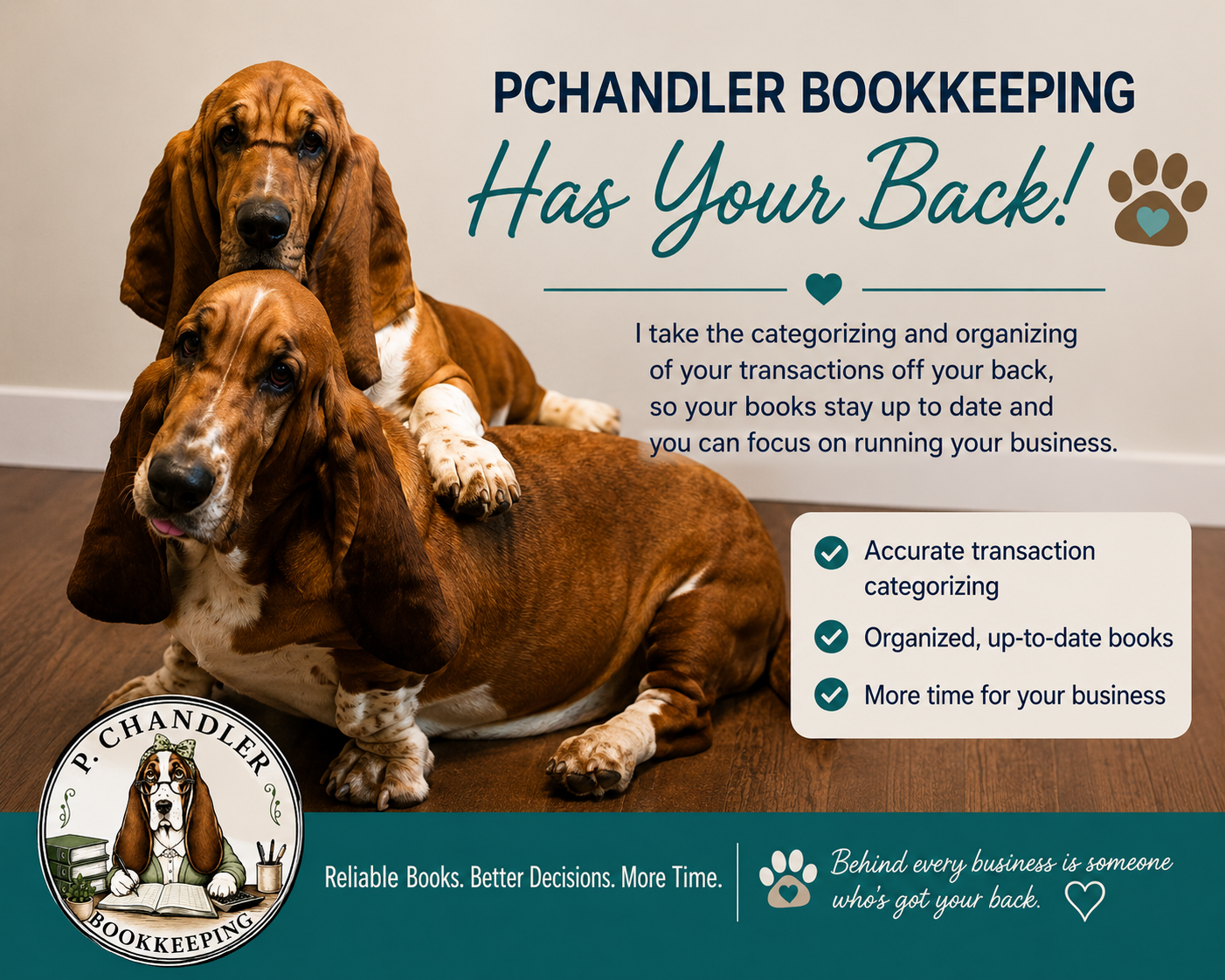
What Could You Do With the Time You're Spending on Bookkeeping?
When you started your business, chances are you didn't do it because you were excited about categorizing transactions, reconciling bank accounts, or spending your evenings trying to figure out QuickBooks.
You started your business because there was something you wanted to do.
But as a business grows, so does the list of things that need to be done. Before long, the business owner becomes the salesperson, customer service department, marketing department, office manager—and bookkeeper.
The problem is that there are still only 24 hours in a day.
What Is Your Bookkeeping Really Costing You?
It's easy to look at bookkeeping as a task that doesn't cost anything when you do it yourself.
But your time has value.
If you spend several hours each week entering transactions, reconciling accounts, tracking down receipts, reviewing reports, or trying to correct bookkeeping problems, those hours have to come from somewhere.
Maybe they come from time you could have spent finding new customers.
Maybe they come from time you could have spent improving your services.
And sometimes they come from evenings or weekends that weren't supposed to belong to the business at all.
Imagine Getting Those Hours Back
What would you do if bookkeeping were no longer on your weekly to-do list?
You might finally have time to follow up with prospective clients.
You could work on the new service or product you've been thinking about.
You could spend more time taking care of your existing customers.
You could look at the bigger picture and think about where you want your business to go next.
Or you might simply close the laptop a little earlier and spend that time doing something that has absolutely nothing to do with your business.
That's valuable too.
A Bookkeeper Does More Than Keep the Books
Good bookkeeping gives you organized financial records and better information about what's happening in your business.
But there's another benefit that isn't always listed on a financial report:
It gives you back your time.
As a business owner, there are things that only you can do.
Bookkeeping doesn't necessarily have to be one of them.
So here's a question worth asking:
What could you do with the hours you're spending on your books?

Why Every New Business Should Start With a Bookkeeper
When you're launching a business, you're wearing a lot of hats. You're finding customers, marketing your services, managing operations, and trying to keep expenses under control.
Bookkeeping is often something owners tell themselves they'll "figure out later."
Unfortunately, "later" often arrives at tax time.
Good bookkeeping is more than recording transactions.
It's the system that helps you understand how your business is performing.
When your books are organized from the beginning, you always know where your business stands financially. That means fewer surprises, better decisions, and less stress.
Common mistakes new business owners make
Many startups unintentionally:
Mix personal and business expenses
Fall behind on transaction recording
Miss deductible expenses
Lose receipts
Wait until tax season to organize everything
These issues can usually be avoided by setting up good bookkeeping practices early.
What a bookkeeper really provides
A professional bookkeeper doesn't just enter numbers.
A good bookkeeper helps create financial clarity by:
Organizing income and expenses
Reconciling accounts monthly
Keeping financial reports accurate
Helping you understand your cash flow
Preparing clean records for your CPA
Instead of wondering where your money is going, you'll have reliable information you can use to make confident business decisions.
It's easier to stay organized than to catch up.
Cleaning up months of bookkeeping is almost always more time-consuming—and more expensive—than maintaining accurate records from the start.
Think of bookkeeping like routine maintenance. A little attention each month helps prevent much bigger problems later.
Build your business on a strong foundation.
Starting a business is exciting.
Having organized financial records from day one gives you one less thing to worry about and allows you to focus on what you do best: serving your customers and growing your business.
If you're starting a new business or feel like your bookkeeping could use a fresh start, I'd be happy to help you build a system that supports your success.
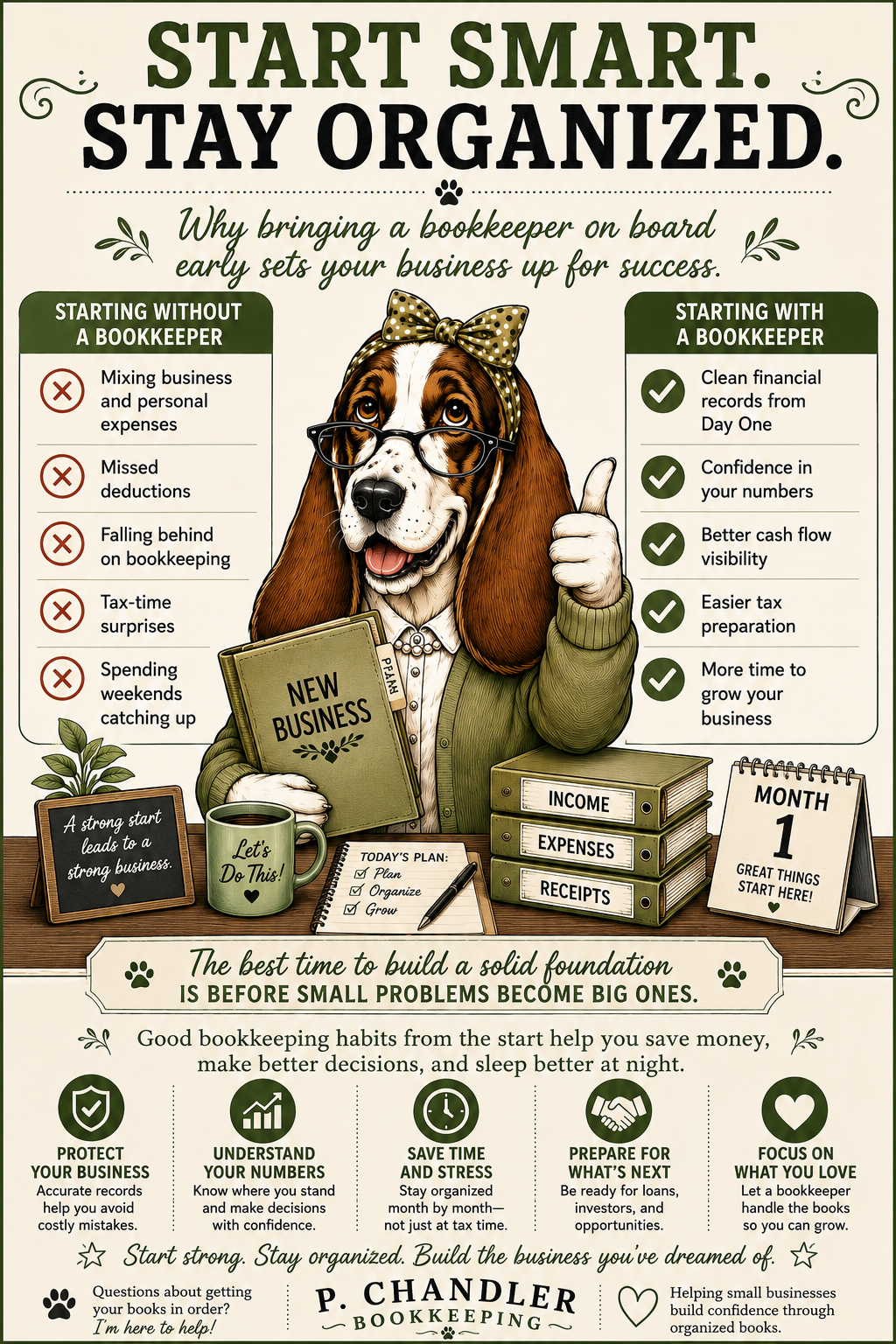
From Guesswork to Growth: How Clean Books Power Smarter Business Decisions
As a business owner, your intuition has likely played a major role in getting you where you are today. But as your business grows, "gut feeling" isn't enough to sustain that momentum. To scale successfully, you need to move from managing by instinct to managing by insight. The secret? Clean, accurate, and up-to-date books.
Why Clean Books Are the Foundation of Growth
When your bookkeeping is behind, you’re flying blind. You’re making decisions based on outdated reports, which can lead to missed opportunities or unexpected cash flow gaps. Clean books, however, provide real-time clarity. When you have a precise, accurate view of your profit and loss, you can clearly identify:
Profitable revenue streams that deserve more focus.
Underperforming expenses that are silently eroding your margins.
The financial health required to pursue expansion or secure new funding.
The Bookkeeper’s Role: Beyond Data Entry
Many owners see bookkeeping as a "necessary evil"—a tedious task of logging receipts. A professional bookkeeper transforms this process from a chore into a strategic asset. We don’t just record the numbers; we ensure they tell a coherent story about your business. By maintaining rigorous, clean records, we provide the consistent financial intelligence you need to make evidence-based decisions rather than reactive ones.
Ready to Start Scaling?
Stop guessing and start growing. When your financial foundation is solid, you gain the confidence to make the big moves that define your future.
If you are ready to stop managing receipts and start managing your future, let’s talk. Contact P Chandler Bookkeeping today to learn how we can help you reclaim your time and strengthen your financial position.
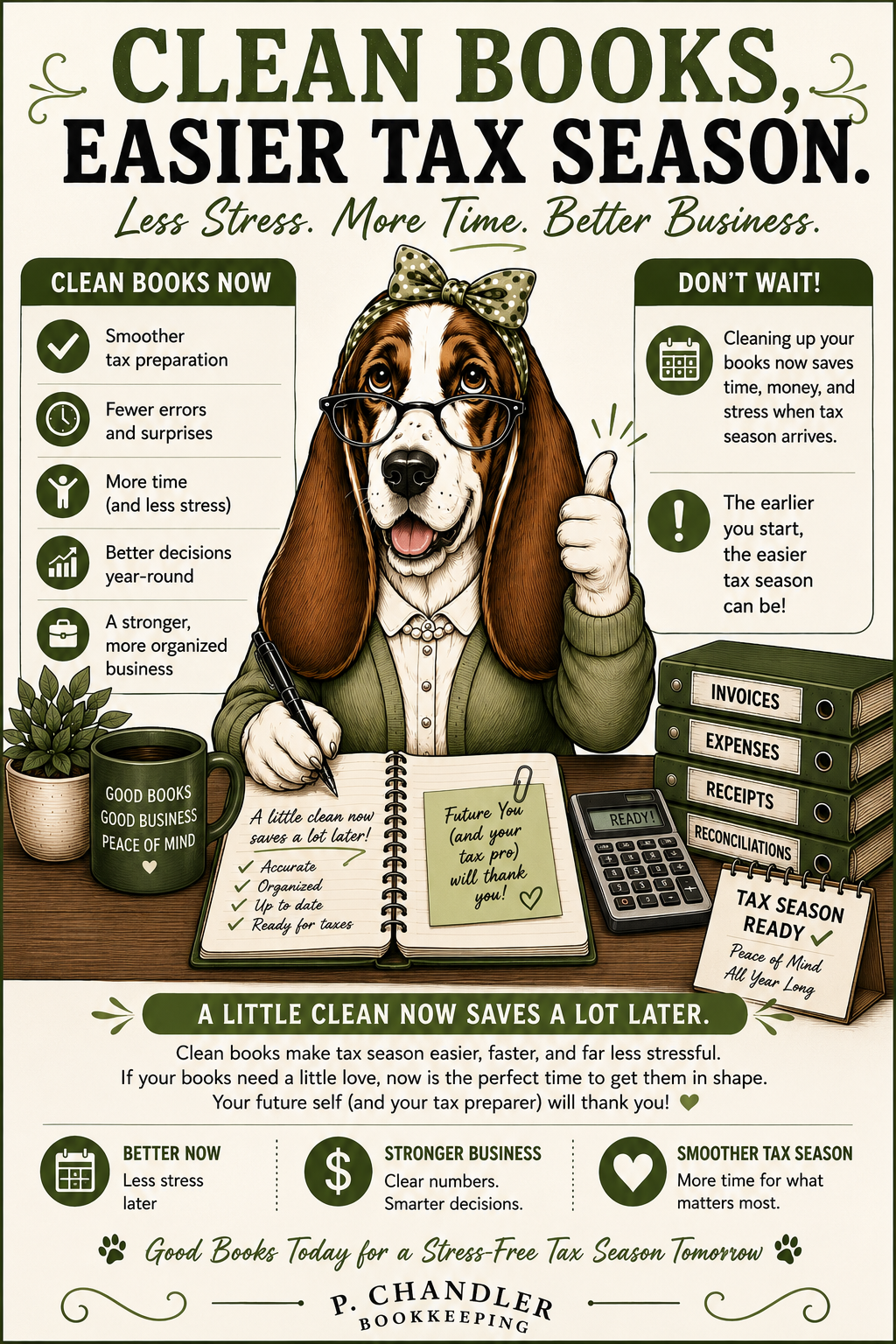
The Tipping Point: When DIY Bookkeeping Stops Working
Most entrepreneurs start out doing their own bookkeeping. It’s a way to save money and stay close to the numbers. But there comes a point in every business’s growth when "do-it-yourself" stops being a cost-saving measure and starts becoming a liability.
How do you know you've hit that tipping point?
Your time is worth more than your bookkeeping. If you’re spending hours categorizing transactions or reconciling accounts, you aren't working on the revenue-generating activities that actually grow your business.
The complexity has outpaced your knowledge. When your business deals with payroll, inventory, multi-state tax nexus, or complex revenue streams, a simple spreadsheet is no longer sufficient.
You’re making decisions in the dark. If you don't know your real-time cash flow or profitability because your books are "a few weeks behind," you are flying blind.
The stress factor. If you dread the end of the month or, worse, the end of the year, that’s a clear sign your current system isn't sustainable.
Don't wait for a crisis (like an IRS audit or a cash flow shortage) to make a change. A professional bookkeeper doesn't just manage data; they provide the financial intelligence you need to scale confidently.
Ready to stop "managing" and start growing? Let’s talk about how we can take the bookkeeping load off your plate.
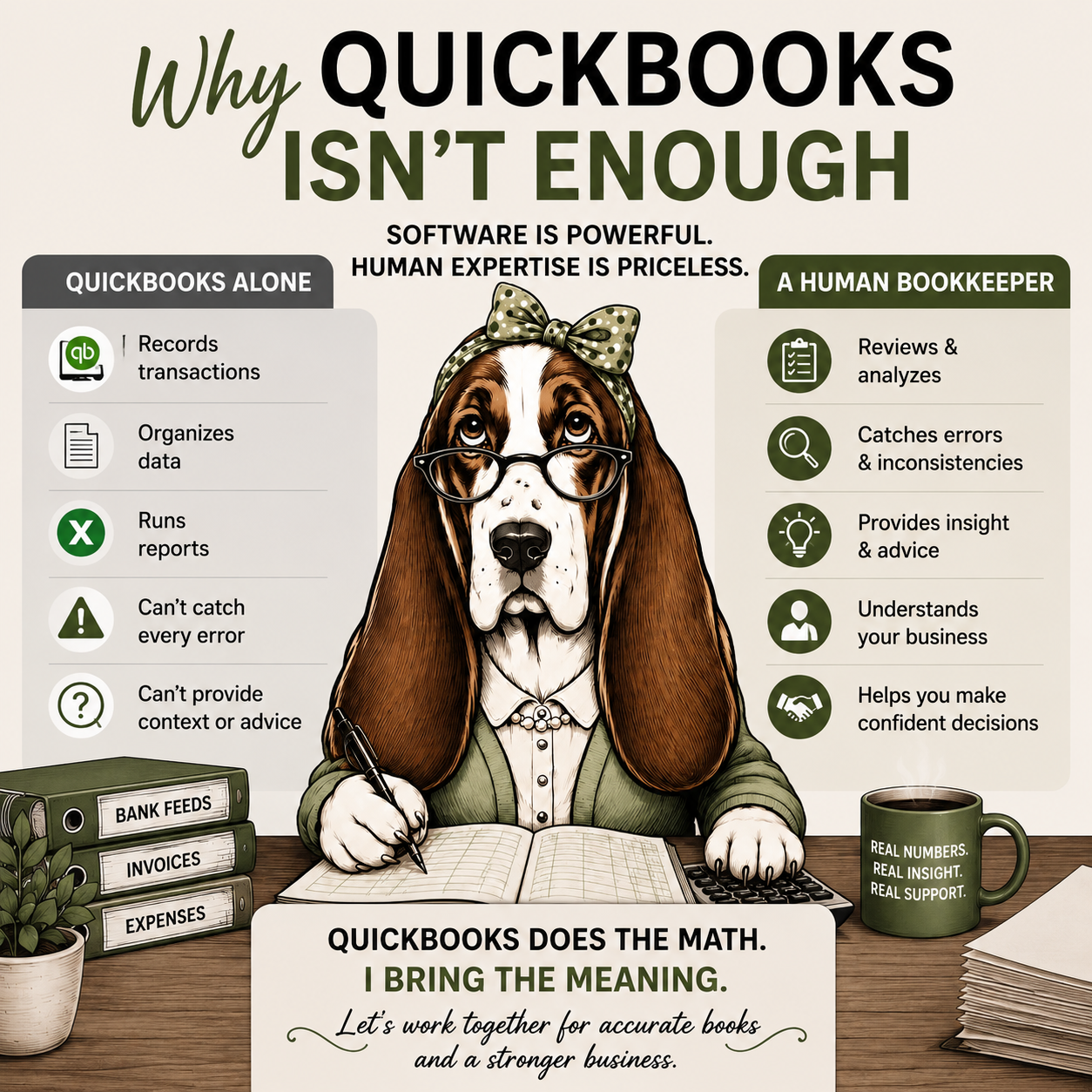
Beyond the Software: Why QuickBooks Alone Isn’t Enough for Your Business
In today’s digital age, small business owners have access to incredible accounting tools like QuickBooks. It’s easy to look at the automation features and think, “I have software, so I have bookkeeping.” However, treating QuickBooks as a self-sustaining bookkeeping system is one of the most common—and costly—misconceptions in small business.
Software vs. Strategy
QuickBooks is an incredibly powerful engine for data storage and basic transaction tracking. But a tool is only as good as the operator. Software can categorize a transaction based on a rule, but it cannot:
Interpret Nuance: Software can’t tell the difference between a legitimate business expense and a personal one that was accidentally paid for on the company card.
Identify Patterns: A human bookkeeper spots trends, such as creeping expenses or stagnant accounts receivable, that software might flag but not explain.
Ensure Compliance: Laws and tax requirements change. A professional bookkeeper proactively adjusts your processes to keep you compliant and “IRS-ready” year-round.
The Hidden Risk of "DIY" Automation
When you rely solely on software, you risk operating with “garbage in, garbage out” data. A minor misclassification in your bank rules can compound over time, leading to skewed reports. If you are making strategic business decisions—like hiring staff, expanding inventory, or seeking funding—based on inaccurate data, you are essentially flying blind.
The Human Advantage
A professional bookkeeper acts as your financial navigator. We don't just "do the books"; we provide the oversight that ensures your numbers are a true reflection of your business's health. We add value by:
Providing Accountability: We reconcile accounts and ensure everything balances, so you aren't left with unpleasant surprises at tax time.
Offering Insights: We help you understand your Profit & Loss and Balance Sheet, turning columns of numbers into actionable steps.
Serving as a Partner: You have a dedicated expert you can call when you’re facing a big financial decision.
Get More From Your Investment
You are already paying for your accounting software—ensure you are getting a return on that investment. A professional bookkeeper turns your software into a high-performance financial management system.
Are you ready to stop worrying about your books and start using your financial data to grow? Contact PChandler Bookkeeping today to schedule a consultation and let’s get your financials working as hard as you do.
The Hidden Cost of Bookkeeping Errors: Why Precision Matters
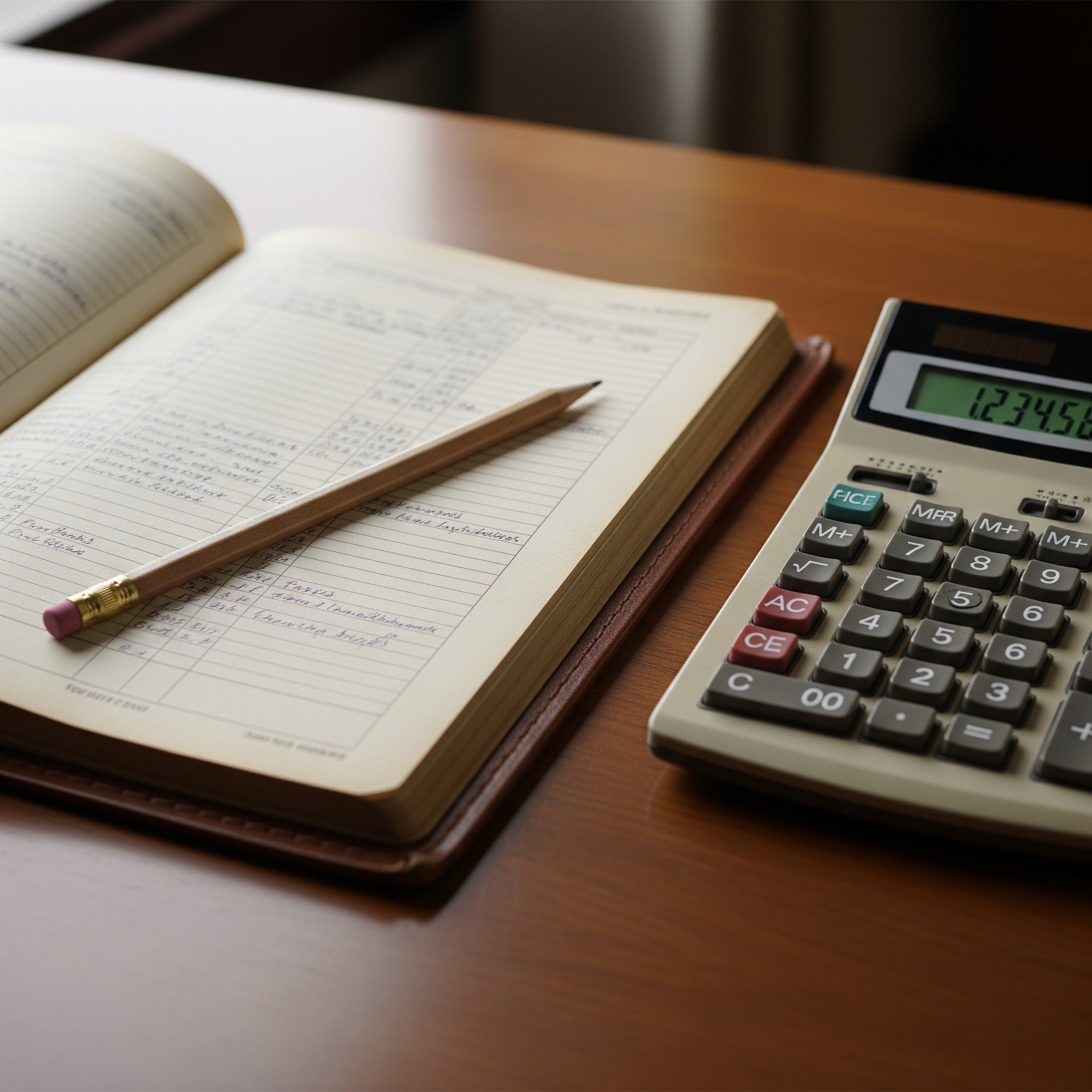
Most small business owners know that bookkeeping is a task that needs to be done, but it’s often relegated to the bottom of the "to-do" list. It’s easy to view bookkeeping as just data entry—something to catch up on when you have a spare moment. However, treating your finances as an afterthought can be one of the most expensive mistakes you make.
The Price of "Good Enough"
When books are handled inconsistently, errors are inevitable. A misclassified expense here, a missed transaction there—these seem small in the moment, but they add up:
The Tax Penalty Trap: Errors in your records often lead to incorrect tax filings. Even an honest mistake can trigger an audit or result in avoidable penalties and interest.
Skewed Financial Data: When your numbers aren't accurate, your reports aren't accurate. If you’re making growth decisions based on an incorrect view of your cash flow, you’re essentially flying blind.
Inefficient Cash Flow: Without diligent tracking of accounts receivable and payable, you might be letting money slip through the cracks, hurting your ability to meet current opportunities or invest in future opportunities.
The Professional Difference
Hiring a bookkeeper isn't just about saving time; it’s about shifting from reactive to proactive management. A professional bookkeeper provides:
Reliability: You gain peace of mind knowing your books are IRS-ready and balanced.
Insight: You move away from "gut feeling" decisions and start making choices backed by clean, insightful financial reports.
Control: With robust internal controls, you gain an extra layer of security, protecting your assets and preventing fraud.
Are You Ready to Protect Your Bottom Line?
Bookkeeping should be the foundation of your success, not a source of stress. If you are ready to stop managing receipts and start managing your future, let’s talk. Contact P Chandler Bookkeeping today to learn how we can help you reclaim your time and strengthen your financial position.
Title: Why Every Small Business Needs a Professional Bookkeeper
Many small business owners view bookkeeping as a necessary evil—a time-consuming chore that pulls them away from their actual work. However, viewing bookkeeping purely as "data entry" misses the bigger picture. A professional bookkeeper serves as a strategic partner, providing the foundation for sustainable success.
The Strategic Advantages of Professional Bookkeeping
Hiring a bookkeeper provides immediate and long-term benefits that transform how your business operates:
Reclaiming Your Time: By offloading financial tracking and reconciliations, you free up hours each week to focus on core business activities, client relationships, and high-level strategy.
Improved Cash Flow: Proper tracking of accounts receivable and payable, combined with diligent expense management, gives you the visibility needed to keep your cash flowing and your business agile.
Tax Compliance and Planning: Professional bookkeeping ensures you are always "IRS ready." By minimizing errors and keeping precise, up-to-date entries, you avoid costly penalties and ensure a stress-free tax season.
Enhanced Security and Confidentiality: Professional oversight provides an extra layer of protection, helping to detect and prevent fraud through robust internal controls.
Better Decision Making: When you have access to clean, insightful financial reports, you stop making decisions based on "gut feelings" and start making them based on accurate data.
Focus on Growth
Ultimately, the goal of a bookkeeper is to help you scale. When your financial house is in order, you are better equipped to pursue growth opportunities, secure funding, and manage the complexities of a growing enterprise.
Are you ready to stop managing receipts and start managing your future? Contact P Chandler Bookkeeping today to discuss how we can help you reclaim your time and strengthen your financial position.
Beat the Tax Season Rush: Why Your Books Need a Check-Up Now

Tax season feels like it’s a long way off, but as any seasoned business owner knows, it arrives faster than expected. If your receipts are in a shoebox or your reconciliation is months behind, you’re likely already setting yourself up for unnecessary year-end stress.
The reality is that tax compliance isn't just about filing on time; it's about having clean, precise data throughout the year. When you wait until the last minute, you risk errors, missed deductions, and scramble to provide documents when you should be focusing on your business growth.
Why Now is the Time for a Clean-Up
Proactive bookkeeping isn't just about taxes—it's about operational clarity. By performing a "clean-up" or "catch-up" on your accounts now, you gain:
Financial Visibility: Stop guessing where your cash flow stands. Get a clear view of your revenue and expenses.
Reduced Liability: Proper classification of transactions helps you avoid penalties and ensures you are audit-ready.
Time Savings: Eliminate the end-of-year rush so you can spend your time on strategy rather than paperwork.
How We Can Help
At PChandler Bookkeeping, I specialize in helping businesses bridge the gap between "behind" and "prepared." Whether you need a full historical catch-up or a quarterly review to keep things on track, I provide the structure and accuracy you need to head into tax season with confidence.
Don’t let bookkeeping backlogs hold your business back. Contact me today to schedule a consultation and get your books in order.
~Pam